 Acquire this piece
Paris
A coded language for the emotional world.

Paris

We have symbols for everything that moves us through physical space. Arrows tell us where to drive. Icons tell us where to find a hotel, an airport, a bathroom. Signs tell us when to stop and when to go.
We navigate the physical world with ease.
But the emotional world? The spaces between us? The terrain of connection, empathy, listening, and presence?
Nothing.
No symbols for “slow down.” No icons for “listen more than you speak.” No arrows that point towards understanding. No signs that say “you are safe to be vulnerable here.”
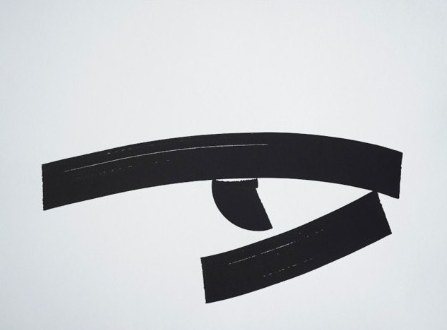
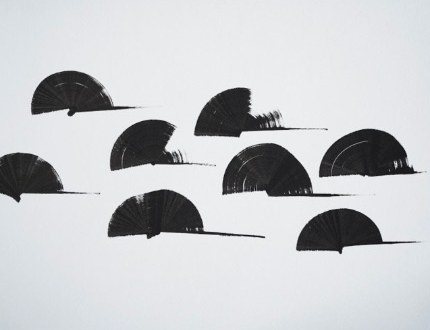
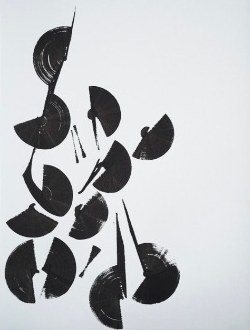
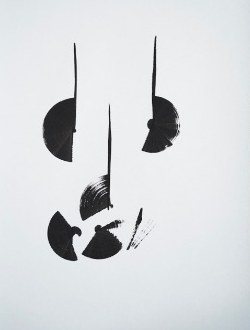
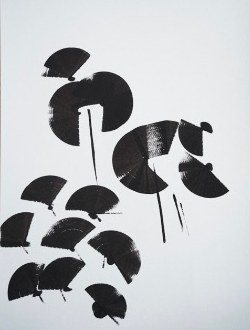
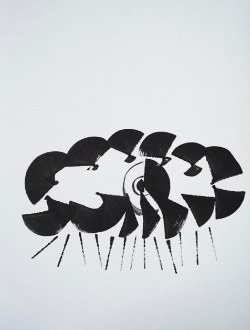
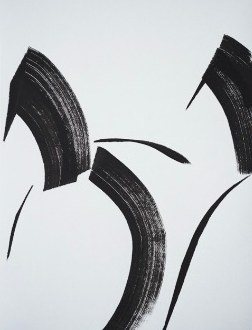
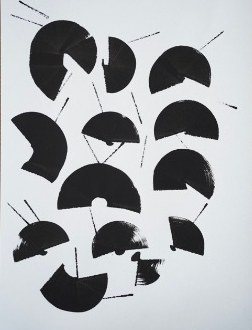
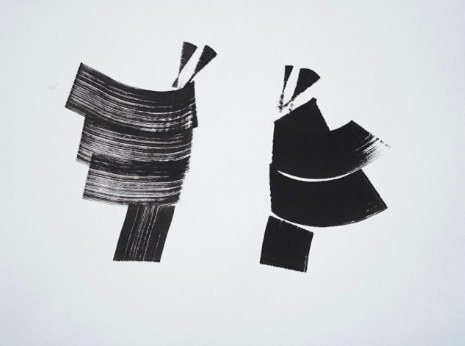
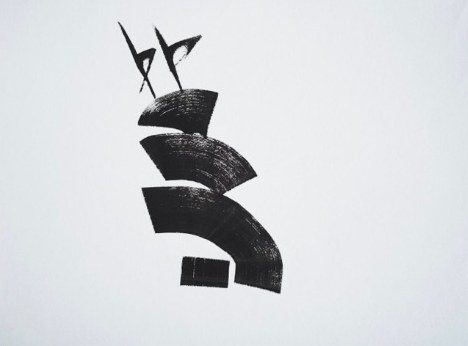
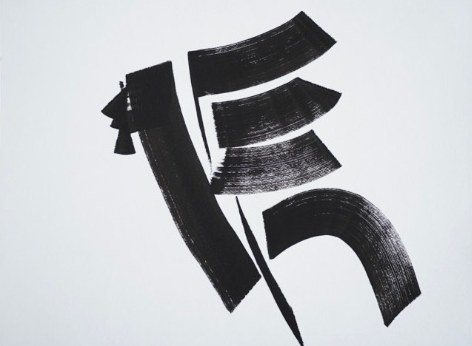
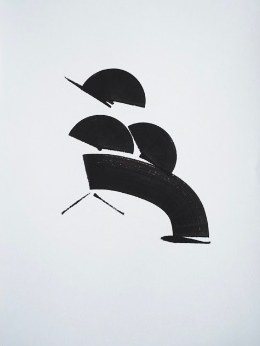
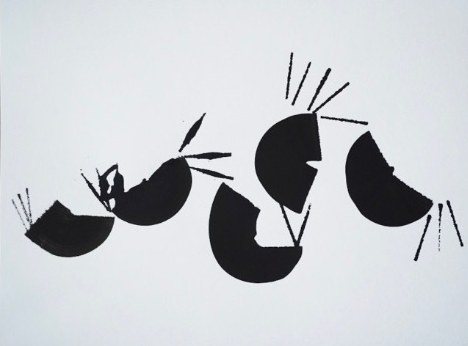
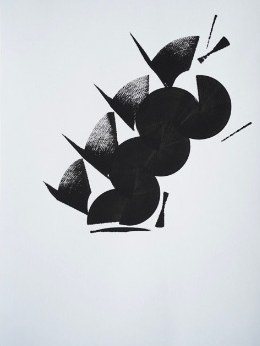
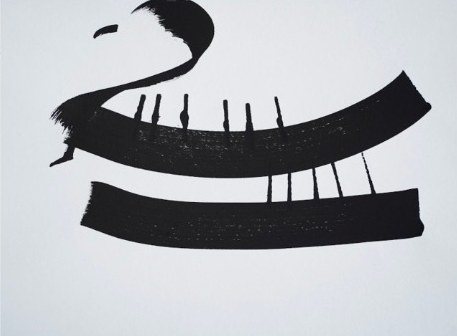
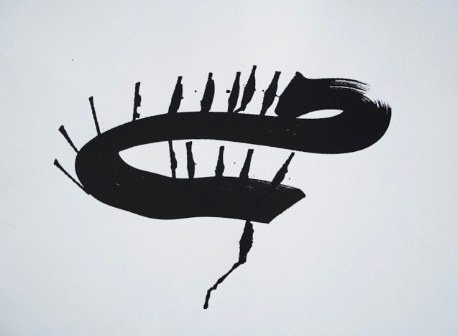
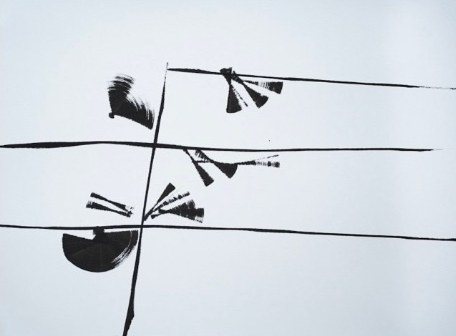
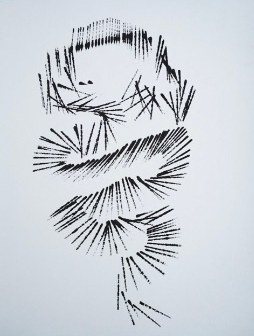
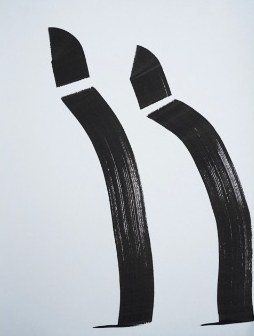
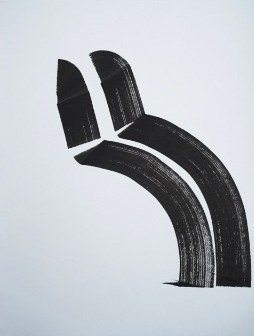
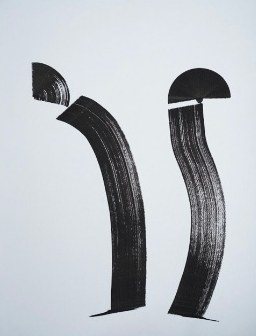
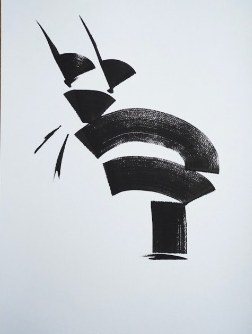
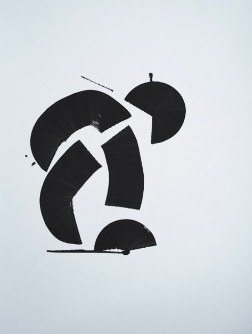
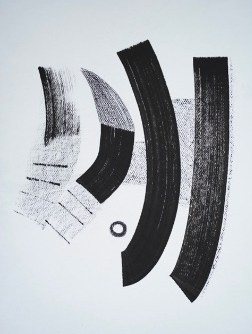
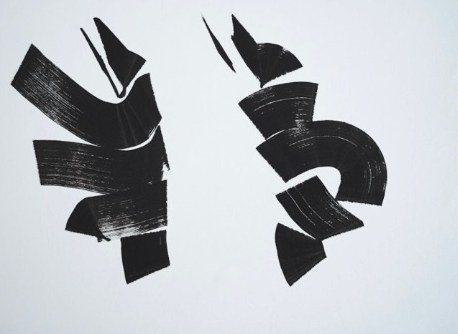
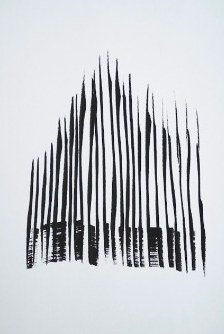
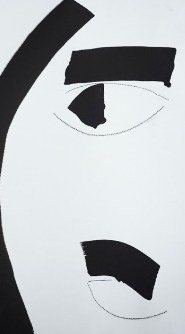
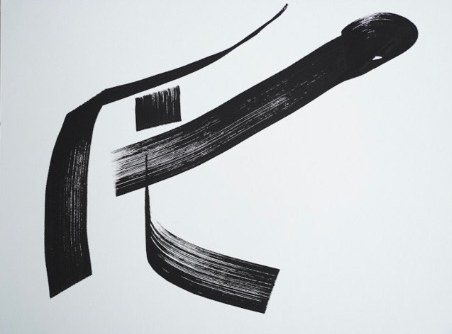
My work is an attempt to build that language. Simple images that extract a reaction in the first breath. Solid lines that are never perfect. Stark strokes that invite your story to finish them.
On Instagram
The problem with the emotional world is that it has no shared script. We are asked to read each other with no alphabet. We feel something, and we reach for a word, and the word is too big or too small or borrowed from a song.
So we guess. We project. We mistake our own noise for the other person’s signal. We turn every conversation into a slow, kind translation that neither side asked for.
An image skips the translation. A mark lands before the mind can defend itself. It does not argue, it does not explain, it simply arrives.
That is why these works are quiet and small. They are not trying to impress. They are trying to be accurate.
Visual minimalism with maximum psychological payload.
Acquire this piece
 Acquire this piece
 Acquire this piece
A real language is built from repetition. The same gesture, drawn again and again, until it stops being a drawing and starts being a word.
Each line here is a word. Each cluster is a sentence. The wall as a whole is a paragraph about being human, written in a grammar nobody taught us.
Some of these marks you will read instantly. Others will sit with you for a year before they mean anything. That is how language works.
A toolkit for navigating what we have never been taught to navigate.
Stark strokes. Solid lines. Never perfect.
 Acquire this piece
 Acquire this piece
 Acquire this piece
The ritual is simple. You stand. You look. You let the mark do the talking. You do not bring a question, you bring attention.
Most people look at art the way they look at a sign. They read it once, take the message, move on. That is not how a symbol works. A symbol asks you to slow down until the meaning changes.
So I ask for ten seconds. Not ten minutes. Ten seconds of actual looking, with the phone in the pocket and the list of things to do put away.
That is enough. The work does the rest.
Stand in front of one for ten seconds. What do you see? That is the real artwork.
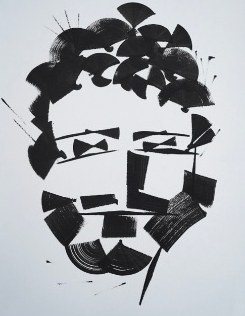
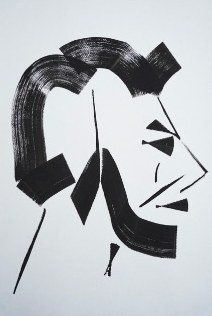
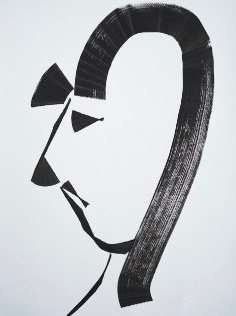
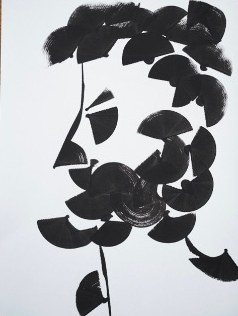
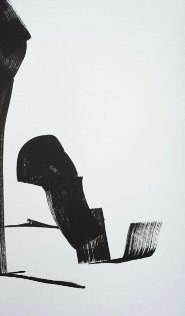
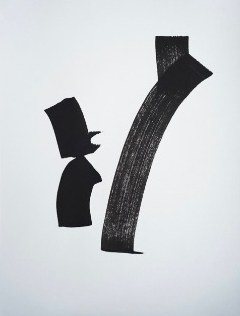
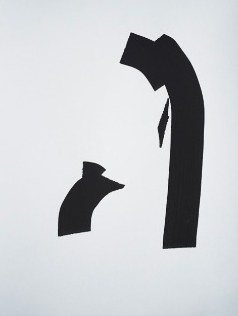
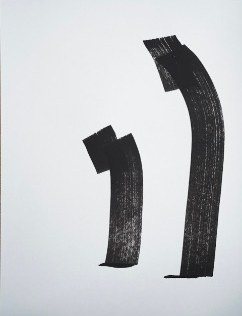
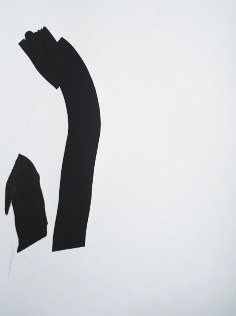
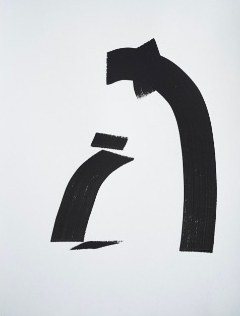
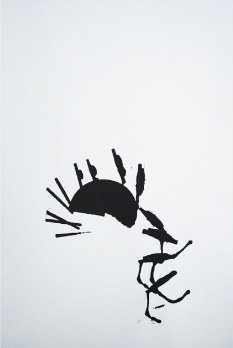
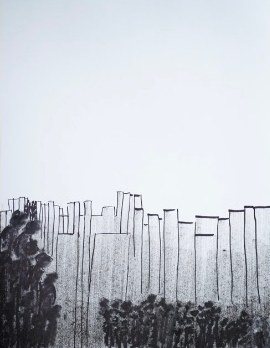
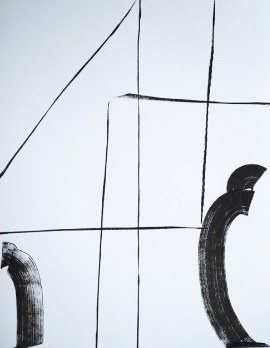
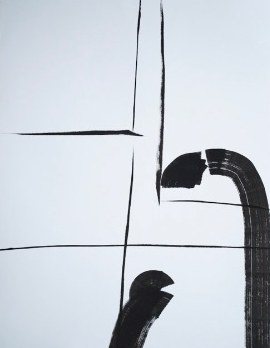
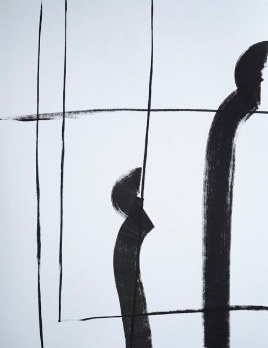
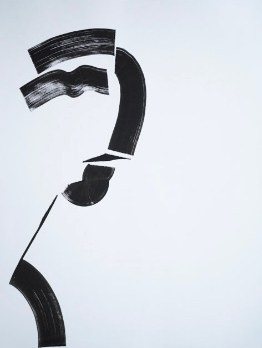
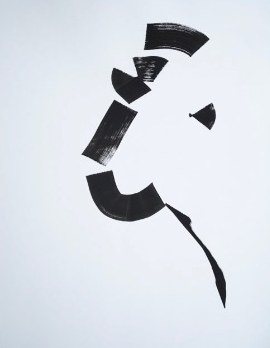
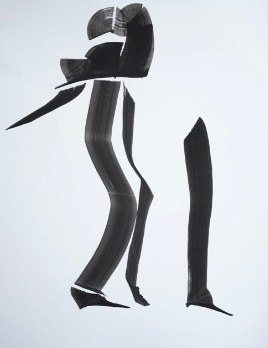
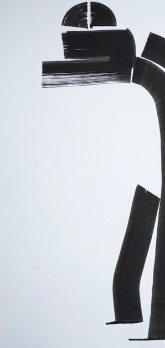
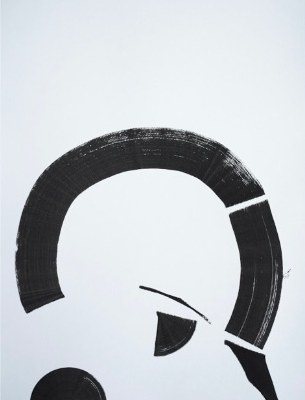
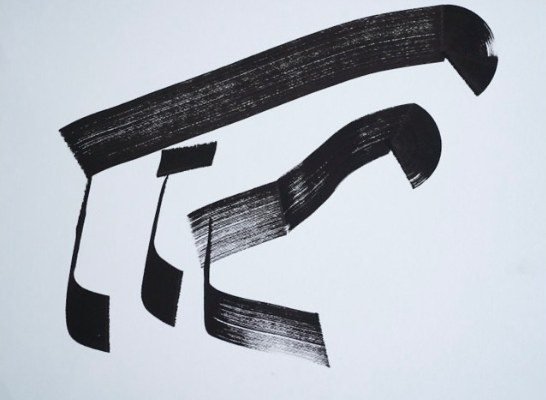
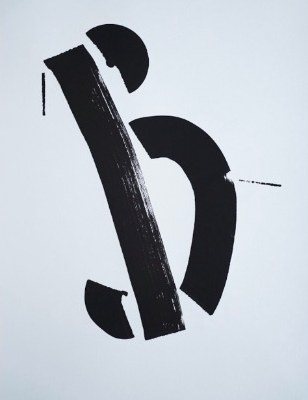
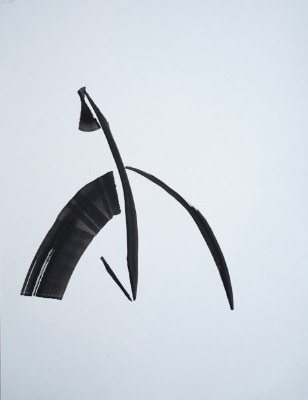
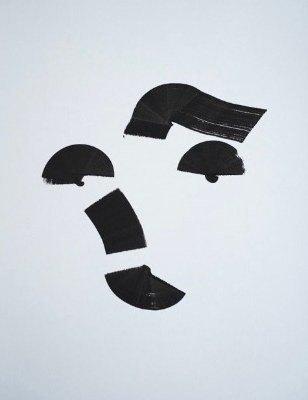
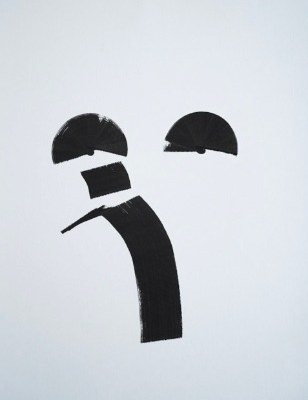
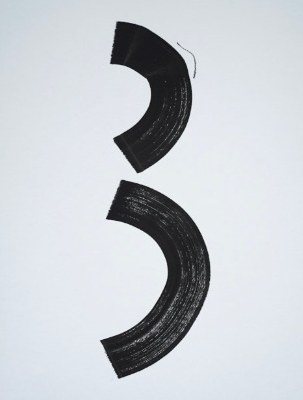
I refuse the demand that everything be explained. I refuse the idea that art needs a caption to be valid. I refuse the market that asks a work to justify itself in a paragraph before it is allowed to exist.
These marks do not justify themselves. They stand on the page the way they stand, and they ask only to be seen.
If they make you uncomfortable, that is information. If they make you calm, that is also information. If they make nothing happen, look again, and slower.
I am not trying to be difficult. I am trying to be honest about how little we actually say to each other, and how much of what we call communication is just performance.
The work refuses the performance. It is what it is, on paper, in ink, with all the imperfection that implies.
And it asks you, gently, to do the same.
To stop performing, to stop explaining, to let imperfection be enough.
 Acquire this piece
 Acquire this piece
 Acquire this piece
Also available
Three further works, prices on request.
 Acquire this piece
 Acquire this piece
 Acquire this piece
For gallerists and collectors

About
Born in England, raised in Hackney, London. We spoke three languages at home, Kashmiri, Gujarati and English. I learnt rough and tumble and street smarts. Punk was in full movement as was freedom songs of reggae and hip-hop. I learnt the Qur'an at home, and how to roll a joint in the rain.
My teachers suggested I should go get a job at the supermarket, I put a finger up at their faces, and went to Uni to study Psychology. I hated it. It felt like navel-gazing with no real resolution, and I was on a trip to fix it.
The next two decades was an exploration of my body, my desires and the unveiling of my emotional world. I dedicated a lot of my free time to drawing, reading, and doing yoga. I kept a journal, collected memories from around the world, and finally after twelve years living out of a suitcase I put roots down. Paris, Montmartre.
In this small corner of a bustling city, I found something I'd never had: indifference. Nobody cares who I am here. And that freedom lets me navel-gaze without censorship. So yes, I am self-indulgent. My work is about how I have translated the world. My fascination with people, how we connect, and all the words left unsaid, bleeds into every canvas. The black paint, solid, stark, and daring, is the language I use to show you how I see things.